Authority
Who controls the company's assets today, and can they sign a licence? Get this in writing.
The big four · main focus
Ten key niches
Twenty more, by sector
Financial services
Industrial
Life sciences and health
Media
Professional services
Property
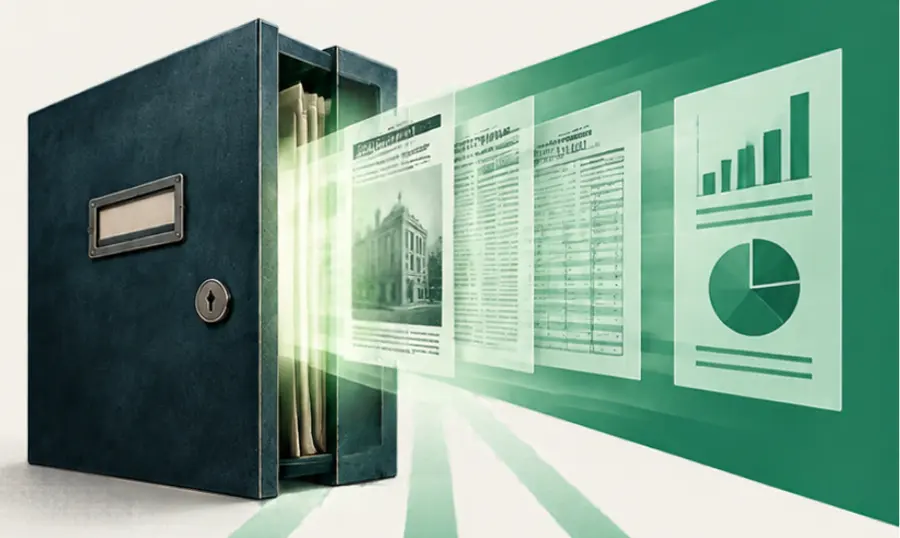
AI developers license real business records: support tickets, project histories, internal documents, team chat. If you control the assets of a company in administration, liquidation or bankruptcy, this site explains how licensing works, what to check first and where to apply.
micro1's published criteria for its defunct-company track company.micro1.ai/get-started · 15 Nov 2026. Written for the administrators, liquidators, trustees and receivers who now control closed companies. General information, not legal advice.

A closed company cannot sign anything itself. The person now legally in charge of its assets has to. In insolvency that person is called the officeholder. Guide for officeholders →
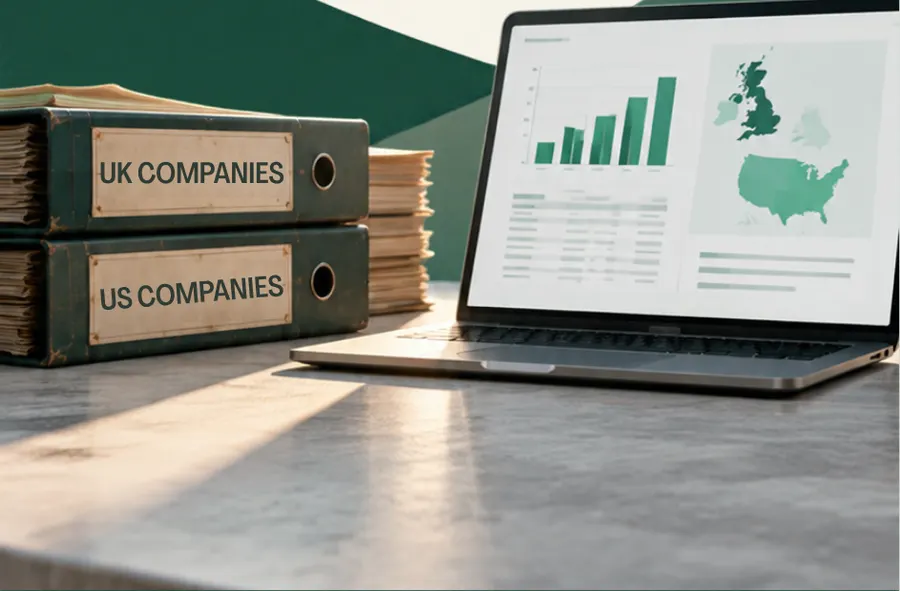
AI developers want to learn how real businesses solved problems: how a ticket got fixed, how a project ran. They do not want to know who anyone was. A licence gives permission to use the records on agreed terms; nothing is sold outright.
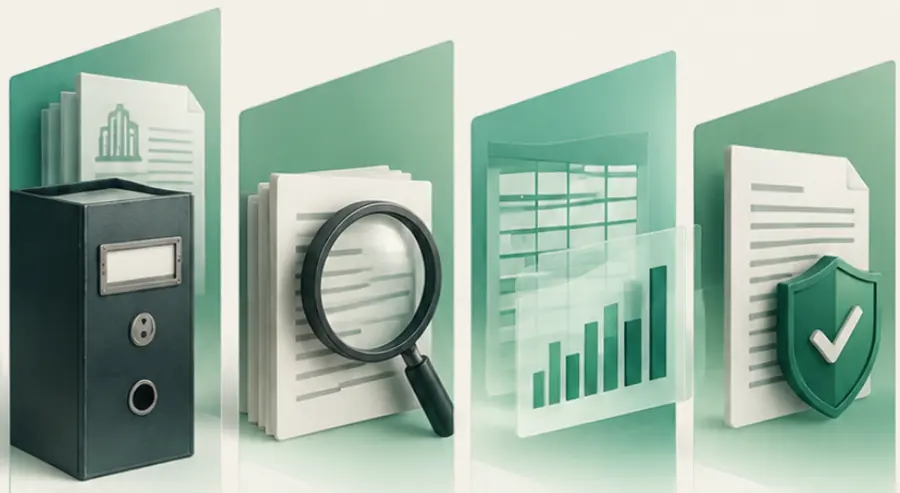
1What the company left behind
2Taken out first
3What an AI developer licenses
Patterns, not people.
How problems were solved, how projects ran and how teams worked, used on the terms of a signed licence.
Nothing is sold in bulk and nothing leaves your hands until the buyer has reviewed a sample and you have signed. Full walkthrough →
Step 1 of 4. Confirm what records exist, in which systems and for which years, and get your authority to license them in writing.
Timing as micro1 publishes it: review and approval within 30 days, then payment within 30 days of invoice micro1.ai/data · 10 Nov 2026
Now you know what is involved, check the basics against micro1's published criteria. Your answers stay in your browser. Nothing is sent anywhere.
Turn on JavaScript to see a tailored answer. micro1 decides what qualifies.
Most records from closed companies are never licensed because nobody can show they are allowed to license them. Settle these first, or work through the readiness checklist.
Who controls the company's assets today, and can they sign a licence? Get this in writing.
Are the records complete, readable and still accessible? Lapsed software subscriptions often mean lost exports.
Which years, systems and data types exist, and are they in English?
Customer contracts, confidentiality clauses, software terms and employee data can each limit what may be shared.
 United Kingdom
 United States
 Canada
 Australia
The other six countries micro1 lists have their own insolvency and data protection rules. Take local advice. General information only, not legal advice.
micro1's defunct-company track lists companies based in these ten countries company.micro1.ai/get-started · 15 Nov 2026. The UK, US, Canada and Australia each have SME and enterprise guides plus a full rights guide.
micro1 · ten countries
United KingdomMain focusUnited StatesMain focusCanadaMain focusAustraliaMain focus India
 Singapore
 Ireland
 Netherlands
 Germany
 France
For administrators, liquidators, trustees and receivers. Before you share anything: confirm who controls the records, take advice on employees' personal data, and leave out privileged or client-confidential material.
micro1 lists the track as open to all industries. These ten are record-rich sectors where closing companies often had 30 or more staff.
 CreditorsA possible extra asset from records that would otherwise be lost when software subscriptions lapse.
 OfficeholdersA clear process, no cost from us, and a straight answer when it does not fit.
 AI developersBusiness records used under a licence, with people taken out, instead of scraped data.
And us: if a company applies through our link and a qualifying deal completes, micro1 may pay us a referral fee. We say so on every page.
micro1 says it is acquiring data from companies that are no longer operating. The points below are as micro1 publishes them. micro1 decides who qualifies and on what terms.
Dormant Yield is run by Kaada Nordic MarTech, an independent referrer. We are not affiliated with micro1, and we are not its staff, agents or representatives. We cannot speak for micro1 or promise any outcome.
We never see, buy, hold or value company records. If a company applies through our link and a qualifying deal completes, micro1 may pay us a referral fee. The company pays us nothing, and our fee does not come out of its payment.
Where our link appears, we label it. If this page does not fit your situation, we would rather tell you so.

No. We charge nothing. Any referral fee is paid by micro1 and is disclosed on this page.
No. Records go only to the buyer, under its own agreement, after you have signed. Never send records to us or to anyone who asks for them before a contract.
In the UK, a dissolved company's property generally passes to the Crown until the company is restored to the register, so nobody can usually license its records directly. Restoration is possible in some cases; speak to a solicitor first. In the US it depends on state law and whether the company went through bankruptcy.
Employee and HR records are the most sensitive part of company data. Expect them to be excluded or properly de-identified, and check whether consent or notice is needed before anything is shared.
micro1 says it reviews and approves the data within 30 days, then pays within 30 days of invoice. Confirming who holds the rights can take longer than either.
Usually not. While a company is in administration, liquidation or bankruptcy, the officeholder controls its assets. Pass this page to them.